
1.Introduction to Smart Irrigation
Water scarcity is one of the most pressing challenges facing modern agriculture. Traditional irrigation methods waste up to 50% of water through evaporation, runoff, and over-watering. Smart irrigation systems leverage IoT sensors, AI algorithms, and automated controls to optimize water usage while maintaining or even improving crop health.
2.How Smart Irrigation Works
A complete smart irrigation system consists of several integrated components:
1. Soil Moisture Sensors
Capacitive soil moisture sensors measure the volumetric water content in the soil at multiple depths. These sensors provide real-time data about soil hydration levels, enabling precise irrigation decisions.
// Reading soil moisture sensor
const soilMoisture = await sensor.readMoisture();
console.log(`Soil moisture: ${soilMoisture}%`);

if (soilMoisture < 30) {
  await irrigationController.startWatering();
}
2. Weather Integration
By integrating weather forecasts and real-time weather data, the system can anticipate rainfall and adjust irrigation schedules accordingly, preventing unnecessary watering.
3. AI-Powered Decision Making
Machine learning algorithms analyze historical data, current conditions, and crop requirements to determine optimal irrigation timing and duration.
3.Benefits of Smart Irrigation
- Water Savings: 30-40% reduction in water consumption
- Cost Reduction: Lower water bills and reduced labor costs
- Improved Yields: Optimal watering leads to healthier crops
- Environmental Impact: Reduced water waste and runoff
- Remote Monitoring: Control irrigation from anywhere via mobile app
4.Implementation Guide
Step 1: Site Assessment
Evaluate your field's soil type, crop requirements, water source, and existing infrastructure.
Step 2: Sensor Placement
Install soil moisture sensors at different depths and locations to get comprehensive coverage:
sensor_locations = [
    {"zone": "A", "depth": 15, "position": (10, 20)},
    {"zone": "A", "depth": 30, "position": (10, 20)},
    {"zone": "B", "depth": 15, "position": (30, 40)},
]
Step 3: Controller Installation
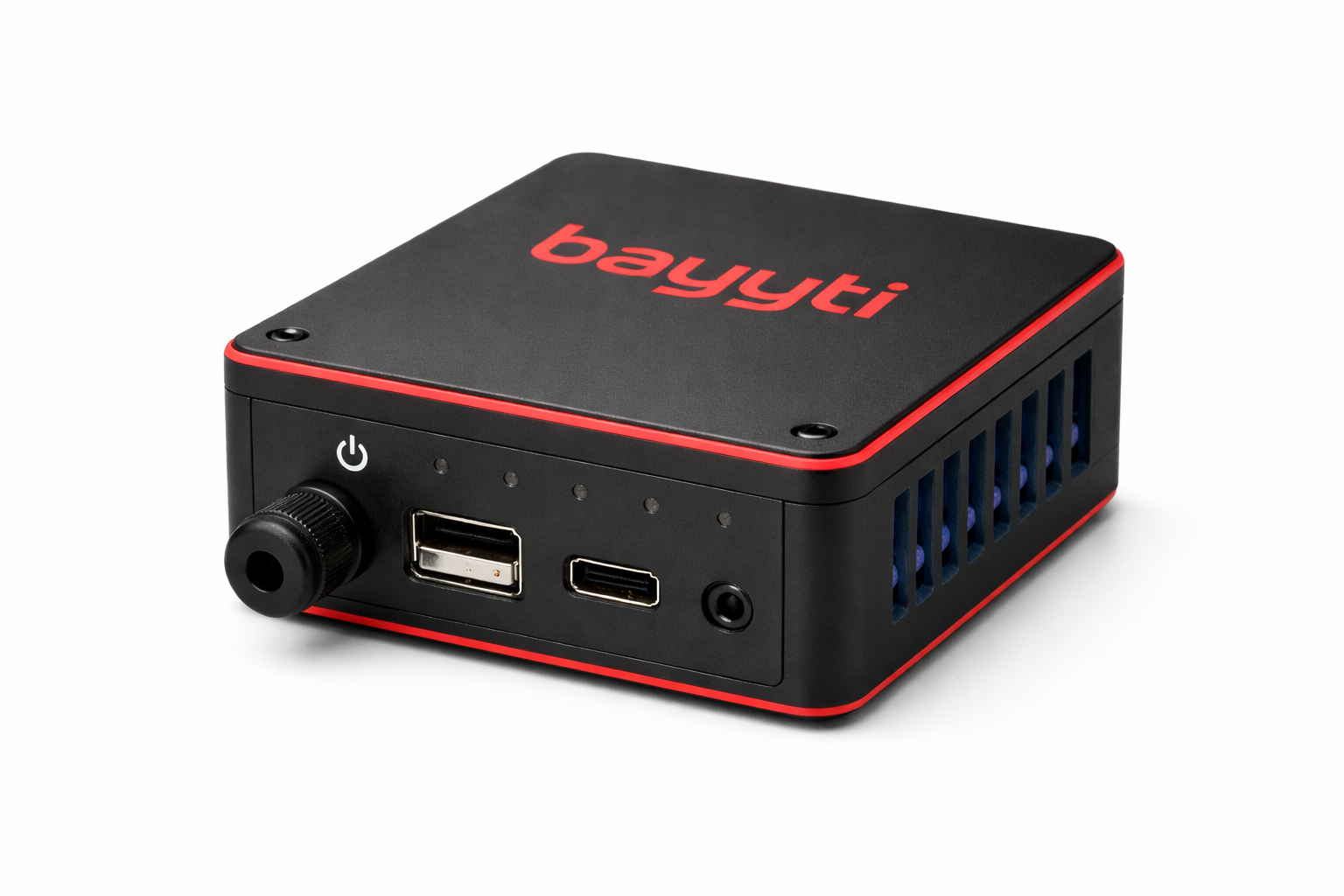
Install the smart irrigation controller and connect it to your water valves and sensors. The BAYYTI-B1 controller supports up to 8 zones with individual control.
Step 4: System Configuration
Configure irrigation schedules, thresholds, and automation rules through the mobile app or web dashboard.
5.Case Study: 40% Water Savings in Olive Farm
A 50-hectare olive farm in Morocco implemented our BAYYTI smart irrigation system and achieved remarkable results:
"After installing the smart irrigation system, we reduced water consumption by 42% while our olive yield increased by 15%. The system paid for itself in just 8 months through water savings alone." - Farm Manager, Atlas Olive Cooperative
6.ROI Analysis
For a typical 10-hectare farm:
- Initial investment: $3,000 - $5,000
- Annual water savings: $1,500 - $2,500
- Labor cost reduction: $800 - $1,200
- Payback period: 12-18 months
7.Future of Smart Irrigation
Emerging technologies are making smart irrigation even more powerful:
- Satellite imagery for large-scale monitoring
- Drone-based crop health assessment
- Predictive analytics using AI
- Integration with smart farming ecosystems
8.Conclusion
Smart irrigation is no longer a luxury—it's a necessity for sustainable agriculture. With water resources becoming increasingly scarce and expensive, investing in smart irrigation technology ensures long-term viability while contributing to environmental conservation.