
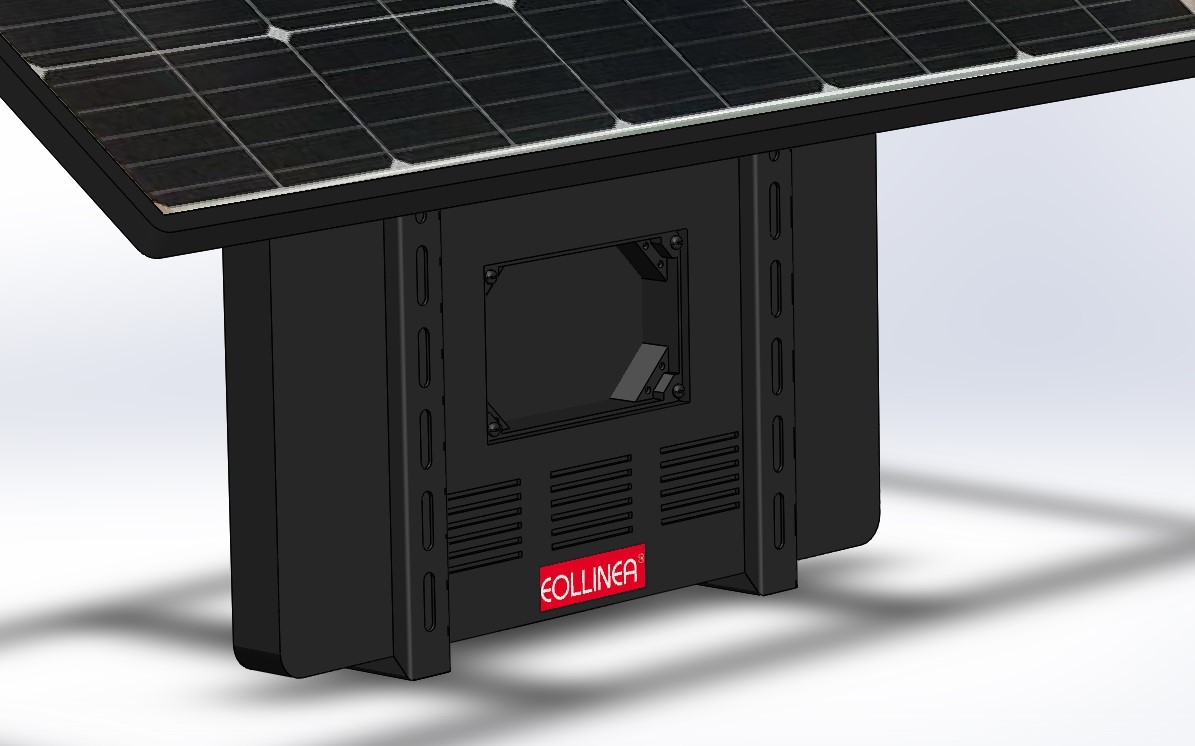
Pulse-T1: A New Approach to AI-Driven Sustainable Agriculture
Agriculture today faces a complex set of challenges driven by climate change, water scarcity, and increasing pressure on food systems. Traditional farming practices often rely on manual irrigation methods and reactive pest management strategies that consume excessive resources and limit productivity.
Pulse Ti-1
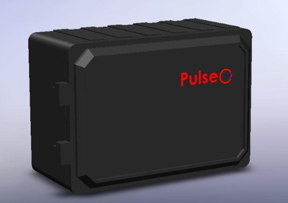
To address these issues, Pulse-T1 was developed as an intelligent agricultural technology platform that integrates artificial intelligence, IoT hardware, and solar-powered automation to support sustainable and efficient farming.
Developed by EOLLINEA Tech, Pulse-T1 represents a next-generation agricultural infrastructure designed to operate in both connected and off-grid environments. By combining smart sensing technologies, predictive algorithms, and real-time monitoring, the system aims to help farmers optimize water usage, monitor crop conditions, and automate irrigation decisions based on environmental data.
The Challenge of Water Scarcity in Agriculture
Water is one of the most critical resources in agricultural production. However, modern agriculture often relies on irrigation systems that lack intelligence and adaptability.
In many regions, irrigation is still managed through fixed schedules rather than environmental conditions. This approach frequently leads to:
Excessive water consumption
Reduced soil efficiency
Increased operational costs
Environmental degradation
The challenge is particularly severe in semi-arid and arid regions, where agriculture depends heavily on limited freshwater resources.
At the same time, farmers must deal with additional constraints such as pest outbreaks, climate variability, and limited access to advanced agricultural technologies.
Addressing these interconnected challenges requires a new technological framework capable of combining data analysis, automation, and ecological awareness.
Concept and Vision of Pulse-T1
Pulse-T1 was designed to function as an intelligent agricultural management system capable of assisting farmers in making more precise and informed decisions.
The system acts as a smart control hub that continuously analyzes environmental conditions and adjusts irrigation processes accordingly.
Instead of relying on static irrigation schedules, Pulse-T1 integrates multiple data streams including:
Soil conditions
Weather patterns
Crop status
Pest activity
Environmental sensor data
Through these inputs, the system can dynamically optimize irrigation and crop protection strategies.
This concept aligns with the broader field of precision agriculture, where digital technologies are used to increase productivity while minimizing environmental impact.
System Architecture
Pulse-T1 is built as a multi-layer architecture that integrates hardware, artificial intelligence, and cloud connectivity.
The architecture consists of four core components:
Smart hardware infrastructure
Artificial intelligence processing layer
Cloud-based monitoring platform
Mobile user interface
Together, these components create an ecosystem capable of collecting, processing, and interpreting agricultural data in real time.
Smart Hardware Infrastructure
At the core of the system lies a solar-powered smart control box designed to operate in outdoor agricultural environments.
The hardware platform integrates multiple electronic components that allow the system to interact with irrigation systems and environmental sensors.
Key hardware elements include:
Edge computing board based on Raspberry Pi architecture
Integrated camera system for environmental monitoring
Sensor modules for soil and environmental measurement
Motorized solenoid valves controlling water flow
Communication modules enabling wireless connectivity
The hardware platform functions as an edge computing device, allowing critical processing tasks to be performed locally without requiring constant internet connectivity.
This design significantly increases reliability in rural areas where network infrastructure may be limited.
Artificial Intelligence Integration
One of the defining characteristics of Pulse-T1 is the integration of artificial intelligence models directly into the agricultural monitoring system.
The platform incorporates machine learning models capable of performing several analytical tasks, including:
Detection and classification of agricultural pests
Pattern recognition in crop behavior
Environmental anomaly detection
Predictive irrigation optimization
These models operate using lightweight AI frameworks optimized for embedded systems.
Edge inference enables the system to process image and sensor data locally, reducing latency and improving operational efficiency.
The AI component continuously learns from collected environmental data, enabling the system to improve its recommendations over time.
Solar-Powered Autonomous Operation
A central design principle of Pulse-T1 is energy autonomy.
Many agricultural regions lack stable electrical infrastructure, making it difficult to deploy conventional smart farming technologies.
To overcome this limitation, the system operates using a solar-powered energy architecture.
The hardware platform integrates:
Solar energy harvesting modules
Battery storage systems
Low-power electronic components
This allows the system to operate continuously in remote environments without relying on traditional power grids.
The use of renewable energy also aligns with broader sustainability goals and reduces the environmental footprint of the technology.
Cloud and Data Infrastructure
Pulse-T1 extends beyond local hardware by integrating a cloud-based monitoring environment.
The cloud infrastructure allows the system to aggregate data collected from multiple farms and devices.
Through this platform, farmers and agricultural managers can access:
Real-time environmental data
Historical irrigation patterns
Crop performance analytics
AI-generated insights and alerts
The system exposes a lightweight API interface, enabling mobile applications and external platforms to interact with the device network.
This architecture supports scalability and allows the platform to evolve into a distributed agricultural data ecosystem.
Mobile Application and User Interaction
To ensure accessibility and ease of use, Pulse-T1 integrates a mobile interface that allows farmers to monitor and control their systems remotely.
The mobile application provides a centralized dashboard displaying key agricultural metrics such as:
Soil moisture levels
Irrigation activity
Environmental conditions
System status alerts
Users can adjust irrigation parameters, receive notifications about pest activity, and analyze farm data through an intuitive digital interface.
This approach simplifies technology adoption and allows farmers to interact with advanced agricultural tools without requiring specialized technical knowledge.
Role of Artificial Intelligence in Future Agriculture
The development of Pulse-T1 reflects a broader transformation occurring within the agricultural sector.
Artificial intelligence is increasingly becoming a fundamental tool in modern farming systems.
AI-driven agriculture can enable:
Predictive crop management
Resource optimization
Early detection of environmental risks
Data-driven decision making
By integrating AI with IoT devices and renewable energy infrastructure, platforms like Pulse-T1 demonstrate how digital technologies can create resilient agricultural ecosystems.
Research and Development Perspective
From a technological standpoint, Pulse-T1 represents an interdisciplinary project combining several fields of innovation:
Artificial Intelligence
Embedded Systems Engineering
Internet of Things (IoT)
Renewable Energy Systems
Agricultural Technology
The project is currently progressing through prototype development and experimental testing phases, where system performance and environmental adaptability are being evaluated.
Continuous improvements are expected through expanded datasets, improved AI training models, and further optimization of hardware design.
Toward Sustainable Smart Farming
The long-term vision of Pulse-T1 extends beyond a single device or system.
The project aims to contribute to a broader transition toward sustainable, technology-enabled agriculture.
By combining intelligent automation, environmental monitoring, and renewable energy, systems like Pulse-T1 can help create farming environments that are:
More resource-efficient
More resilient to climate variability
More accessible to rural communities
More responsive to real-time environmental conditions
As agriculture continues to evolve in the digital era, technologies that merge artificial intelligence with ecological sustainability will play an increasingly important role in shaping the future of food production.
Pulse-T1 represents an early step toward this vision, demonstrating how innovation can help bridge the gap between advanced technology and real-world agricultural needs.